

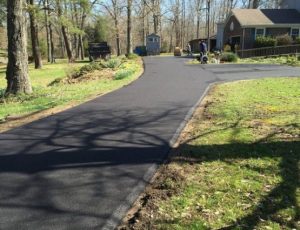
 If you’re considering a new driveway in Louisville, KY, you’re not just improving curb appeal—you’re making a long-term investment in your property’s function, value, and aesthetics. Every neighborhood in Louisville presents different challenges and opportunities when it comes to paving.
Whether you’re replacing an old driveway in St. Matthews or planning a new layout for a build in Jeffersontown, the first steps you take are key to getting a smooth, durable result that fits the local terrain and weather conditions.
At PSI Paving, Inc., we guide homeowners through the process with local insight, attention to detail, and decades of hands-on experience working with Louisville’s unique landscape.
Key Takeaways
- Planning a driveway in Louisville starts with drainage, permits, materials, budgeting, and timing based on local weather patterns.
- Every neighborhood has unique soil, slope, and zoning rules that affect driveway design, cost, and long-term performance.
- Construction steps include excavation, base prep, paving, and curing, each tailored to Louisville’s climate, terrain, and property layout.
- PSI Paving guides Louisville homeowners through every phase, from planning to completion, with local knowledge and expert service.
Evaluating Your Property’s Layout and Grade
Before any measurements or materials are considered, we start by evaluating how your land is shaped and where water naturally drains.
Louisville’s rolling terrain—especially in areas like Cherokee Gardens and Crescent Hill—means slope and elevation can vary even from one end of a yard to the other. Drainage is critical here, especially with the heavy rainfall we get in spring and early summer.
If water pools near your home or flows toward your foundation, a poorly designed driveway can cause long-term issues. That’s why our initial assessment focuses heavily on topography and how the driveway will interact with the surrounding property.
Checking Local Permits and Zoning Regulations
In Louisville, any significant driveway work—especially if you’re altering the location or size—needs to comply with city zoning regulations and permits, typically managed by Louisville Metro Government’s Planning & Design Services.
In neighborhoods like Clifton or Butchertown, which have historic district designations, there may be additional guidelines regarding materials and design.
We help homeowners navigate these requirements early in the planning process, ensuring there are no delays or unexpected complications later.
Choosing the Right Material for Louisville’s Climate
With Louisville’s hot summers, cold winters, and frequent freeze-thaw cycles, not all asphalt paving materials hold up the same way.
Asphalt tends to be a popular choice across Jefferson County thanks to its flexibility and affordability. It can handle temperature swings better than concrete in most cases.
In higher-end areas like Lake Forest, we sometimes install decorative concrete or paver driveways for added visual appeal. But the material must match the climate and your maintenance expectations.
We walk clients through the pros and cons based on real local conditions.
Setting a Realistic Budget Based on Local Costs
The cost of a new driveway in Louisville can vary significantly depending on location, soil conditions, material choice, and the need for excavation or grading.
Driveways in older areas like Germantown may require the removal of old concrete or adjustment for tree roots, which can increase labor time and cost.
On the flip side, newer developments near Middletown or Fern Creek often allow for more straightforward installation. We help clients build a budget that reflects actual market rates in the Louisville area, so there are no surprises down the road.
Scheduling Around Louisville’s Paving Season
Timing is everything when it comes to driveway paving, and in Louisville, the best window for installation is typically between late March and early November. This avoids the complications of winter freeze and allows for optimal curing. Our team works around the regional paving season and your schedule.
For instance, if you’re trying to complete a project before Derby week festivities or before kids head back to school at Manual High or Ballard, we factor that into our timeline from the start.
What Comes After the Initial Planning Steps
With the planning finalized, we shift into the build phase. Each step from here is designed to give your driveway the strength, structure, and finish it needs to hold up in Louisville’s climate and soil conditions.
Here’s how we bring your new driveway to life:
Site Preparation and Excavation
Once plans are finalized, we begin preparing the site, which may include demolition of an old driveway, grading, and soil stabilization. In areas like South Louisville or Okolona, where the soil can be more clay-heavy, extra attention is paid to base preparation.
We ensure the sub-base is compact and well-drained to avoid future cracking or sinking—common issues in driveways built on unstable ground.
Installing a Proper Base Layer
A strong base layer is essential for any driveway’s longevity. We typically use crushed limestone sourced from regional suppliers that meet Kentucky Transportation Cabinet standards. This material handles the weight of vehicles and adapts to Louisville’s seasonal temperature swings.
In neighborhoods prone to flooding, like those near the Ohio River in Portland, we may incorporate additional drainage measures within the base.
Laying Asphalt or Concrete
With the base in place, we move to the final surfacing.
Asphalt is generally laid in one or two layers, depending on usage. For heavy-use areas or properties with large trucks or RVs—common in rural sections near Fisherville or Fairdale—we may recommend thicker paving.
If concrete is selected, we pay attention to finish, control joints, and curing time. Every surface is graded for proper runoff, avoiding water pooling during Kentucky’s spring storms.
Final Touches and Curing Time
After paving, we ensure everything is finished cleanly, with edges shaped, transitions smoothed, and the area sealed where needed.
For concrete driveways, we often recommend waiting at least 7 days before regular vehicle traffic. For asphalt, light use is possible within 48–72 hours, depending on the weather.
In neighborhoods like Hurstbourne or Lyndon, where HOAs have appearance standards, we make sure the final result meets both functional and aesthetic goals.
Ready to Start Your Driveway Project in Louisville?
Planning a new driveway is about making the right decisions early on, based on the realities of living in Louisville. From navigating zoning codes in Clifton to dealing with tricky soil in Valley Station, every property has its own set of challenges.
That’s where we come in.
At PSI Paving, Inc., we help homeowners across Louisville plan smarter and pave better. We take the time to understand your property, your goals, and your budget—so you get a driveway that looks great, lasts long, and handles Kentucky weather year after year.
If you’re ready to start planning your new driveway the right way, reach out to schedule a consultation with our experienced paving team today. We’ll walk you through every step, answer your questions, and make sure you get the driveway your home deserves.
Frequently Asked Questions
How long does a typical driveway installation take in Louisville?
Most driveway installations take 2 to 5 days, depending on size and weather. We schedule efficiently to reduce downtime and finish on time without compromising the quality of work or materials used.
Can you remove and replace just part of a damaged driveway?
Yes, partial driveway replacement is possible when damage is limited. We assess whether repair or full replacement makes more sense based on your driveway’s age, surface condition, and underlying base.
Do you offer layout changes like widening or adding a parking space?
Absolutely. We frequently help Louisville homeowners widen driveways or add parking areas during replacements. Our team designs around your needs, lot size, and local codes to improve both function and appearance.
What kind of maintenance should I plan for after installation?
Asphalt should be sealed every few years, and concrete needs crack checks and cleaning. We offer maintenance plans to help Louisville homeowners keep driveways safe, clean, and in good shape year-round.


