

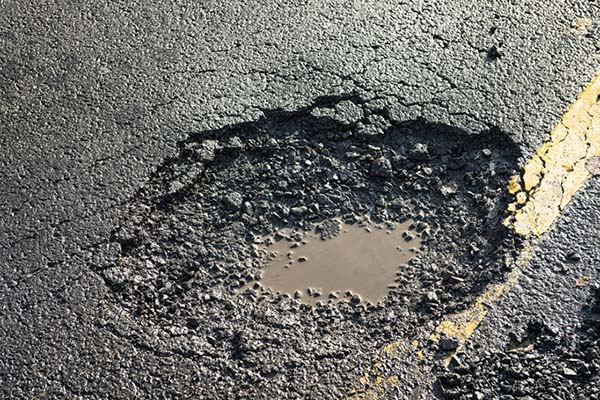
 If you manage a commercial property in Louisville, patching asphalt probably feels like a never-ending line item. Between freeze-thaw cycles along the Ohio River, heavy truck traffic off I-65 and I-264, and constant surface wear, repairs add up fast.
At a certain point, patchwork stops being a smart maintenance strategy and starts masking deeper failures. That is where full commercial asphalt paving becomes the more reliable, cost-controlled option, especially for properties that need consistent uptime and clean inspections.
Below, we break down why full replacement often outperforms ongoing repairs and when it makes sense to make the transition.
Key Takeaways
- Patchwork repairs often fail to address underlying structural and drainage issues in commercial asphalt.
- Full commercial asphalt paving delivers lower lifecycle costs and more predictable budgeting.
- Widespread cracking, drainage problems, and frequent repairs signal it is time to transition.
- A full paving project improves safety, appearance, and inspection readiness for commercial properties.
1. Structural Integrity Across the Entire Pavement
Patchwork only addresses visible surface failures, not what is happening beneath the asphalt. In Louisville’s commercial corridors like Outer Loop or Preston Highway, repeated truck loading can weaken the base across wide areas, even if cracks appear isolated.
Full commercial asphalt paving allows us to rebuild the pavement structure evenly, restoring proper load distribution and reducing future failures tied to base instability.
2. Lower Lifecycle Cost Over Time
While asphalt repairs look cheaper on a single invoice, the cumulative cost often exceeds full replacement within a few years. Properties near distribution hubs around UPS Worldport see this often due to constant semi traffic.
Full asphalt paving resets the pavement lifecycle, minimizing emergency repairs, repeated mobilization costs, and after-hours disruptions that drive up long-term expenses.
3. Improved Drainage and Surface Performance
Improper slope and standing water are common on older commercial lots throughout Jefferson County. Patching does not correct drainage patterns that accelerate asphalt breakdown.
Full commercial asphalt paving allows us to regrade surfaces, improve water runoff, and reduce ponding that leads to premature cracking and potholes, especially during Kentucky’s wet spring seasons.
4. Consistent Appearance for Professional Properties
A lot of mismatched patches sends the wrong message to tenants, inspectors, and customers. Retail centers along Bardstown Road or industrial parks near Riverport benefit from a uniform surface that reflects professionalism and ongoing investment.
Full paving delivers a clean, consistent appearance that patching simply cannot match.
5. Better Compliance With Safety and Inspection Standards
Uneven patches, trip hazards, and failed repairs increase liability exposure.
Commercial properties in Louisville often face ADA access reviews, insurance inspections, and municipal oversight. Full asphalt paving allows us to address slopes, transitions, and striping in one coordinated project, reducing risk and helping properties stay inspection-ready.
When to Transition From Patchwork Repairs to a Full Commercial Asphalt Paving Project
At a certain point, patchwork repairs stop extending pavement life and start signaling deeper failure. These are the most common indicators we see on Louisville commercial properties that it is time to move from ongoing repairs to a full commercial asphalt paving project.
Repairs Are Required Multiple Times Per Year
If your maintenance team is scheduling asphalt repairs every season, the pavement is no longer performing as designed. This is common in high-traffic parking lots near hospitals, logistics centers, and manufacturing facilities across Louisville.
Frequent repairs indicate widespread structural fatigue that patching will not resolve.
Cracking and Failures Are Widespread
When cracks appear across more than a third of the pavement surface, isolated repairs lose effectiveness. In areas like Dixie Highway with constant vehicle turnover, these cracks often reflect base movement rather than surface aging.
Full commercial asphalt paving addresses the root cause instead of chasing individual failures.
Drainage Issues Keep Returning
Standing water that reappears after repairs signals grading problems.
Louisville’s clay-heavy soils and seasonal rainfall make proper drainage critical. If ponding persists near loading docks or drive lanes despite repeated fixes, a full paving project allows for regrading and long-term water management.
Liability and Safety Concerns Are Increasing
Trip hazards, loose patches, and uneven surfaces raise safety risks for employees and visitors. Commercial properties with public access, especially retail and medical sites near downtown Louisville, often reach a point where repairs increase exposure instead of reducing it.
Full paving creates a predictable, safe surface that supports compliance and risk management goals.
Capital Planning Calls for Predictable Costs
Many commercial owners and facility managers prefer known capital investments over unpredictable repair expenses.
Full commercial asphalt paving provides a defined project scope, timeline, and warranty, making it easier to plan budgets and coordinate with other site improvements such as striping, signage, or curb work.
Schedule a Commercial Pavement Evaluation in Louisville
Ongoing repairs should solve problems, not create new ones.
At PSI Paving, Inc., we help Louisville-area commercial property owners evaluate when patching no longer makes financial or operational sense. Our team reviews pavement condition, traffic demands, drainage, and compliance factors before recommending next steps.
If you are weighing another repair against a full commercial asphalt paving project, let’s walk the site together and build a plan that supports long-term performance.
Contact us today to schedule a pavement evaluation and discuss timelines that minimize disruption to your operations.
Frequently Asked Questions
How long does a full commercial asphalt paving project usually take for a Louisville site?
Project timelines depend on size, access, and phasing needs, but most commercial paving projects take several days to a few weeks. Coordination with local permitting offices in Jefferson County and scheduling around business hours are built into the process to reduce downtime.
What factors affect the cost of full commercial asphalt paving in Louisville?
Costs are influenced by pavement thickness requirements, traffic loads, base condition, drainage corrections, and striping needs. Seasonal demand and material availability in the Louisville market also play a role, which is why detailed site evaluations are essential.
Can full asphalt paving be phased to keep operations running?
Phasing is often used for retail centers, warehouses, and office parks to maintain access. Work zones are planned around delivery schedules, parking demand, and ADA access requirements to keep properties operational during construction.
Are permits or inspections required for commercial asphalt paving projects?
Many projects require coordination with local authorities for access changes, right-of-way impacts, or drainage modifications. Compliance with ADA guidelines and local inspection standards is addressed as part of the paving plan to avoid delays and rework.


